How to Navigate School Delays: Essential Tips for Parents and Students
School delays can throw a wrench into the most well-planned schedules. Whether caused by severe weather, transportation issues, or other unforeseen events, these disruptions require quick thinking and adaptability. In New England, especially during winter months, parents and students often face the challenge of managing unexpected school closures or delays. Understanding how to effectively navigate these situations can save time, reduce stress, and maintain educational continuity.
Understanding the Causes of School Delays
School delays often stem from a variety of factors. Here are the most common:
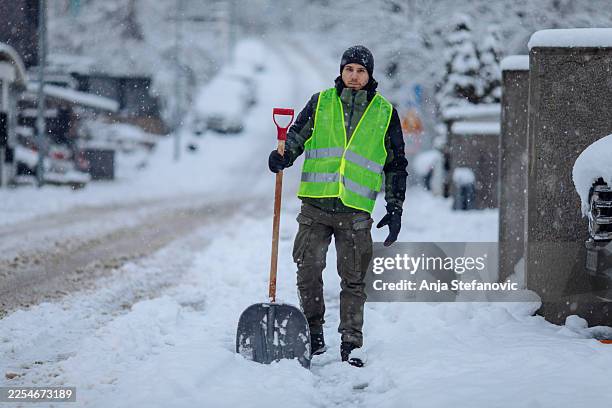
- Severe Weather: Heavy snowfall, icy conditions, and storms can lead to dangerous travel situations.
- Transportation Issues: Bus breakdowns or unsafe road conditions may delay school start times.
- Facility Issues: Problems such as heating failures or water leaks can necessitate temporary closures.
- Public Health Concerns: Health emergencies, such as flu outbreaks, may lead to school delays.
Each of these factors requires schools to prioritize safety while balancing educational needs.
How to Stay Informed About School Delays
Staying updated on school delays is crucial for planning your day. Here are effective strategies:
- Check Official School Websites: Most districts post updates on their websites regarding delays or cancellations.
- Follow Social Media Accounts: Schools often share real-time updates through their social media platforms.
- Sign Up for Notifications: Many districts offer text or email alerts for immediate notifications about changes.
- Local News Outlets: Tune in to local news stations, which often report on school delays during severe weather.
Using these resources can help you stay informed and adjust your plans accordingly.
Practical Tips for Managing School Delays
When faced with a school delay, having a plan can make all the difference:
1. Adjust Your Schedule
Evaluate the delay and adjust your morning routine. Consider whether you need to leave home later or if you can use the extra time for other tasks.
2. Communicate with Other Parents
Connect with other parents to share information and strategies for managing the delay. This can also help with carpool arrangements if needed.
3. Prepare At-Home Learning Activities
In case of extended delays or closures, have educational activities ready. This ensures that learning continues even when school is not in session.
4. Stay Flexible
Flexibility is key when dealing with sudden changes. Be prepared to adapt your plans as needed throughout the day.
Conclusion
School delays are an inevitable part of life, particularly in regions prone to harsh weather conditions. By understanding the causes, staying informed, and having a structured plan, parents and students can navigate these disruptions more effectively. Remember to keep communication open with school officials and other families, and always prioritize safety. With these strategies in mind, you can ensure that school delays don’t derail your educational journey.
FAQs About School Delays
What should I do if my child’s school is delayed?
Check your school district’s website or social media for updates, adjust your schedule, and prepare alternative plans for childcare or activities.
Are school delays common?
Yes, especially in areas with severe winter weather, school delays and closures are fairly common.
How can I get notifications about school delays?
Most districts offer text or email alerts. You can also check local news sources and school websites for the latest updates.