The Great Recession: An Overview
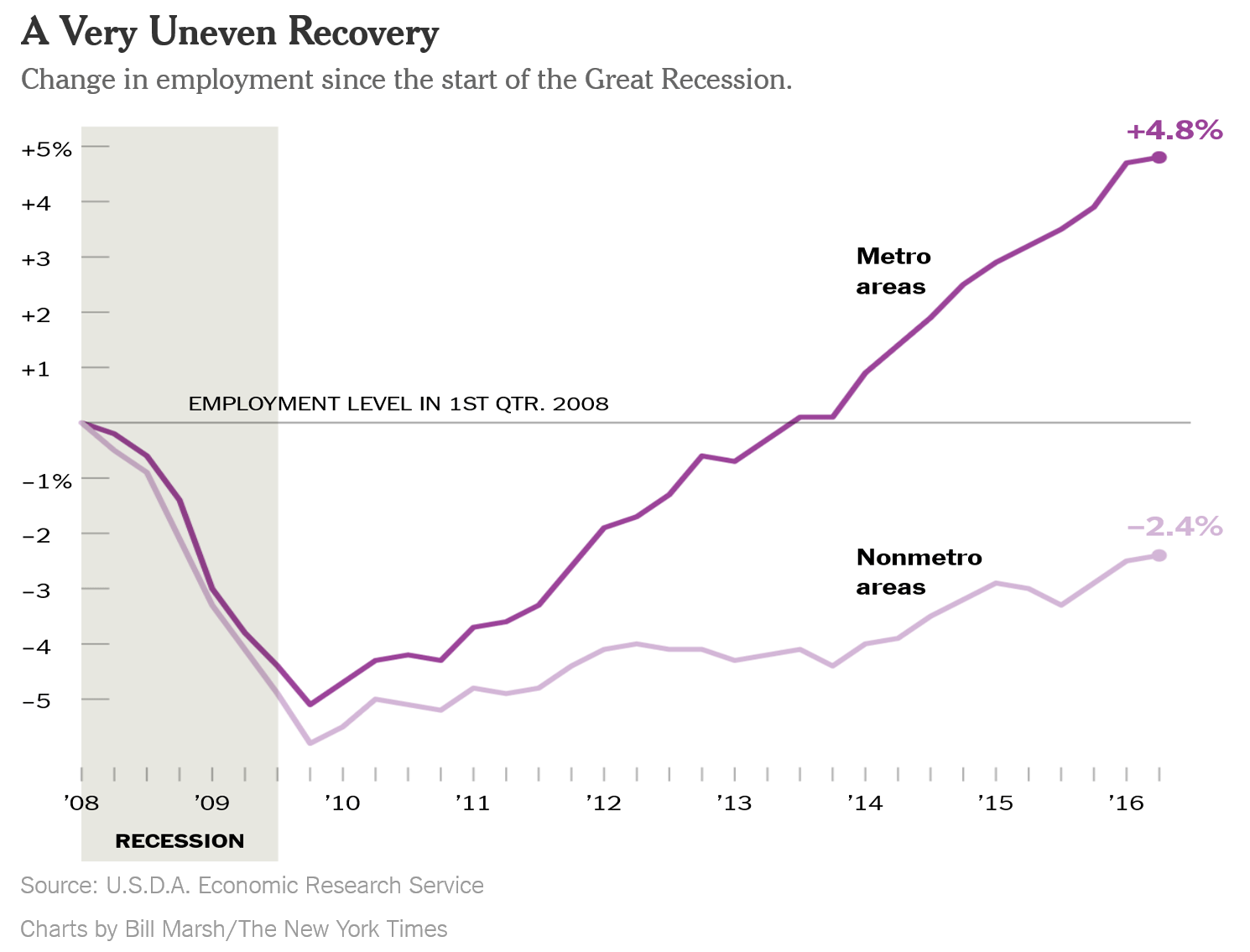
The Great Recession, which lasted from 2007 to 2009, had profound effects on the U.S. economy, particularly in rural areas. Understanding these impacts is crucial to recognizing how they have shaped employment trends for decades. According to the USDA’s Economic Research Service, rural employment dynamics have been significantly different from their urban counterparts.
Rural vs. Urban Employment Trends
The USDA data tracks labor market conditions in rural areas compared to urban ones from 2007 to 2022. Key insights reveal major differences in job loss, recovery patterns, and the overall health of rural labor markets:
Job Loss and Recovery
- Early Job Loss: Rural areas lost jobs earlier than urban regions during the Great Recession.
- Slow Growth: Employment growth in rural areas remained sluggish up until 2019.
- Impact of COVID-19: Although rural employment showed some recovery by 2022, it was still below pre-pandemic levels, while urban areas rebounded more effectively.
Labor Force Participation Rates
Rural labor force participation rates also suffered notably:
- The decline in participation was more pronounced in rural areas compared to urban ones.
- This trend highlights structural challenges within rural job markets that have persisted over time.
Diverse Impacts Across Demographics
Unemployment rates during and after the Great Recession varied by race and ethnicity, revealing disparities in recovery between metropolitan and nonmetropolitan areas:
- Variation by Race: Different racial and ethnic groups experienced unequal levels of impact.
- Uneven Recovery: Some demographics faced longer recovery times than others, stressing the importance of understanding these trends comprehensively.
Long-term Implications for Rural Employment
The effects of the Great Recession are evident in the long-term viability of rural labor markets. Key takeaways include:
- A persistent gap in employment levels compared to urban areas.
- Continued structural challenges that hinder job growth and attract workers to rural places.
Monitoring the shifts in rural employment over the years can provide valuable insights into how economic policies and local initiatives might mitigate these disparities.
Conclusion
The Great Recession has left an indelible mark on the U.S. economy, especially within rural communities. Understanding these long-lasting effects is critical for stakeholders aiming to improve rural employment prospects and foster sustained economic growth moving forward.