
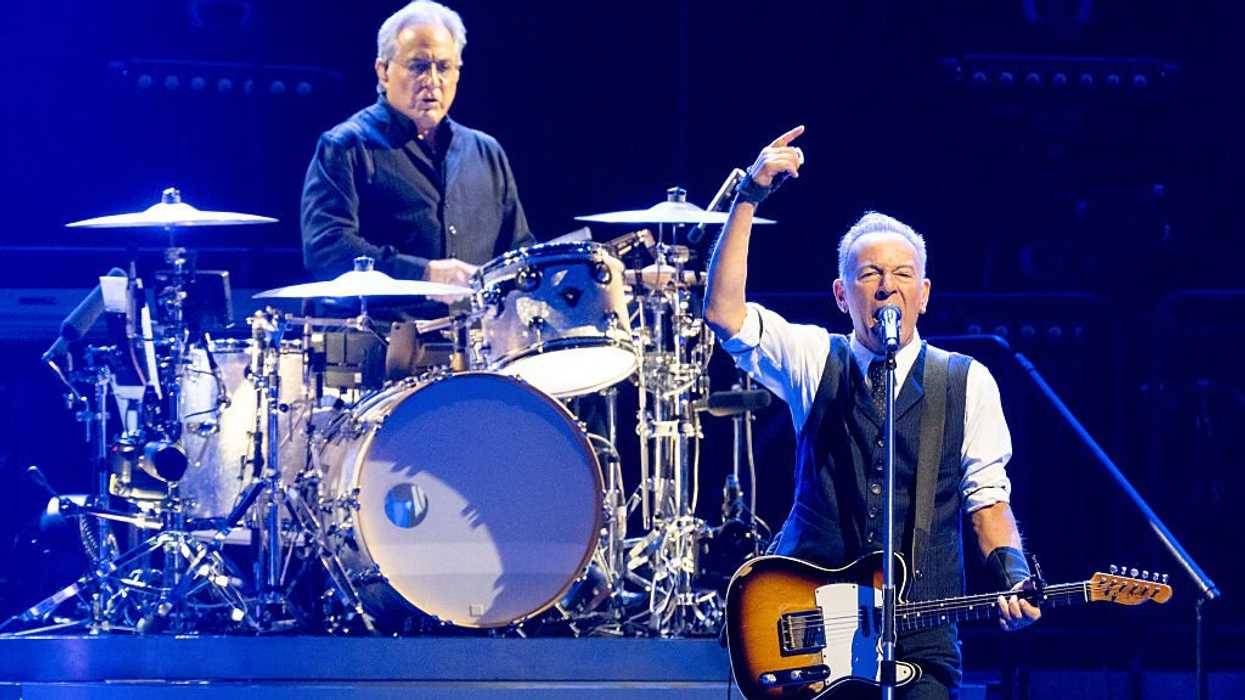
Bruce Springsteen: Activism Through Music and Cultural Impact
Bruce Springsteen has long been a cultural icon, not only for his indelible contributions to rock music but also for his profound involvement in social justice initiatives. A striking illustration of this is his recent collaboration utilizing the iconic track *“Born In The U.S.A.”* for an important anti-ICE project. This partnership highlights Springsteen’s unwavering commitment to advocating for marginalized communities and resisting oppression through the power of music.
The Resilience of an Anthem
*“Born In The U.S.A.”* is more than just a chart-topping hit; it has functioned as a beacon for voices demanding justice and human rights. The song speaks eloquently to feelings of disillusionment, particularly among those who feel marginalized in their own country. Its integration into an anti-ICE initiative reflects not only the song’s historical significance but its continued relevance in conversations about systemic inequities today.
Springsteen’s Role as a Cultural Voice
Springsteen’s contribution to this project is an embodiment of his lifelong mission to use music as a platform for activism. Through poignant lyrics and relatable narratives, he channels collective experiences into universal anthems, empowering individuals to find solidarity in their struggles. This synergy between his art and activism helps to raise awareness about pressing social issues, encouraging audiences to engage and reflect actively.
Thematic Alignment and Emotional Resonance
The collaboration not only amplifies the urgency of the anti-ICE message but also evokes a deep emotional response. By drawing parallels between listeners’ personal struggles and broader social injustices, Springsteen invites everyone to connect through shared narratives of resilience. His music compels us to recognize our common humanity, reminding us that collective action is vital in the fight for civil rights.
Strategic Partnerships in Activism
Partnerships that bridge artistic expression with grassroots mobilization can significantly enhance the visibility of social causes. Springsteen’s collaboration with the anti-ICE initiative exemplifies how cultural symbols can inspire action and foster community solidarity. Such engagements not only reinforce the credibility of the activist cause but can generate broader discussions around civil rights and social justice.
Revitalizing the Narrative Around Civil Rights
Using *“Born In The U.S.A.”* underscores the enduring power of music as a catalyst for change. Historically, songs have shaped public sentiment and played vital roles in social movements. By integrating this classic into contemporary issues, Springsteen revitalizes this narrative, reminding us all of music’s potential to spark meaningful dialogue.
Conclusion
Bruce Springsteen remains a formidable force in the realm of activism and cultural discourse. His recent collaboration with the anti-ICE initiative weaves together music and social justice, broadening the discussion around civil rights. As he channels both personal and collective experiences into powerful anthems, Springsteen continually reminds us of the importance of standing up against systemic injustices. Through his legacy, he teaches us that music can move mountains and stir hearts, unveiling shared struggles and inspiring actions towards a more equitable society.
Frequently Asked Questions
What is Bruce Springsteen’s role in social activism?
Bruce Springsteen is known for using his music to advocate for social justice, often lending his voice to causes addressing systemic inequities.
Why is ‘Born In The U.S.A.’ significant in social justice?
The song highlights themes of disillusionment and resistance, resonating with contemporary social issues, particularly regarding marginalized communities.
How does music influence activism?
Music can unify people, evoke emotions, and raise awareness about social issues, making it a powerful tool in activism.
What themes does Springsteen explore in his music?
Springsteen’s music often explores themes such as working-class struggles, love, loss, and social justice, reflecting both personal and collective experiences.
Can music inspire social change?
Yes, music has historically played a critical role in social movements, encouraging public dialogue and mobilizing communities towards change.